The conversation about Ukraine’s technology sector has moved on from survival. On 25–26 June, Gdańsk hosted the annual Ukraine Recovery Conference (URC), one of the principal international platforms where governments, business, investors and financial institutions align on decisions for Ukraine’s recovery and long-term development. On the eve of the conference, Diia.City United staged its own side event to press a sharper question: not whether Ukrainian tech can compete, but how fast it can scale.
For the Association, URC is part of a systematic effort to represent Ukrainian technology business on the international stage. This year the Diia.City United team both joined the main programme and convened Ukraine Tech Day at the University of Gdańsk, bringing together Ukrainian and international technology companies, investors, government officials, financial institutions, defence tech and dual-use leaders, and Ukraine’s global partners.
The agenda turned on a single question: how Ukrainian technology companies can scale globally, raise capital and integrate into EU markets while keeping their strategic value, intellectual property and expertise in Ukraine.
Dominic Culverwell, business reporter at The Kyiv Independent, hosted the evening and distilled one of its central thesis: “I really don’t think Ukrainian tech is recovering. I think it’s accelerating and pushing the country forward.”
Increasingly, the conversation is no longer about enduring the war but about growth, international integration, investment and Ukraine’s new role in the global technology ecosystem.
Ukraine is ready for investment now, not “after the war”
Despite the war, Ukraine’s technology sector is growing, attracting investment, entering new markets and building products of strategic importance to the country and its European partners alike.
The opening discussion, “Open Dialogue: New Horizons for Ukraine–EU Tech Partnerships and Investment”, brought together representatives of the Ukrainian and Polish governments and was moderated by Nataliya Mykolska, Executive Director of Diia.City United.
She framed Ukraine’s competitive position plainly:
We cannot compete with capital and resources as China and the US, what we have to compete with is the speed at which we put innovation into industrial use, and the effectiveness of our solutions.
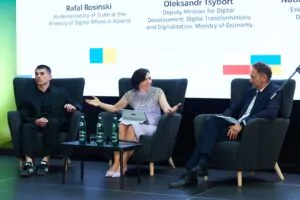
Oleksandr Tsybort, Ukraine’s Deputy Minister of Economy, Environment and Agriculture, took up the point. The country’s digital economy, he argued, has demonstrated three qualities that matter to partners: resilience under daily attack, a state capable of launching new solutions quickly, and a high level of digital interaction with citizens and business. Ukrainian entrepreneurs have learned to test, adapt and turn innovation into finished products at pace. For a Europe competing with larger markets for capital and resources, that speed could become a strategic advantage.
Rafał Rosiński, Undersecretary of State at Poland’s Ministry of Digital Affairs, identified where cooperation is most promising: Ukraine, Poland and the EU share the same priorities — cybersecurity, artificial intelligence, digital infrastructure, digital skills and technological sovereignty.
It is precisely there, in his view, that Ukrainian and European companies have the widest room for mutually beneficial partnership.
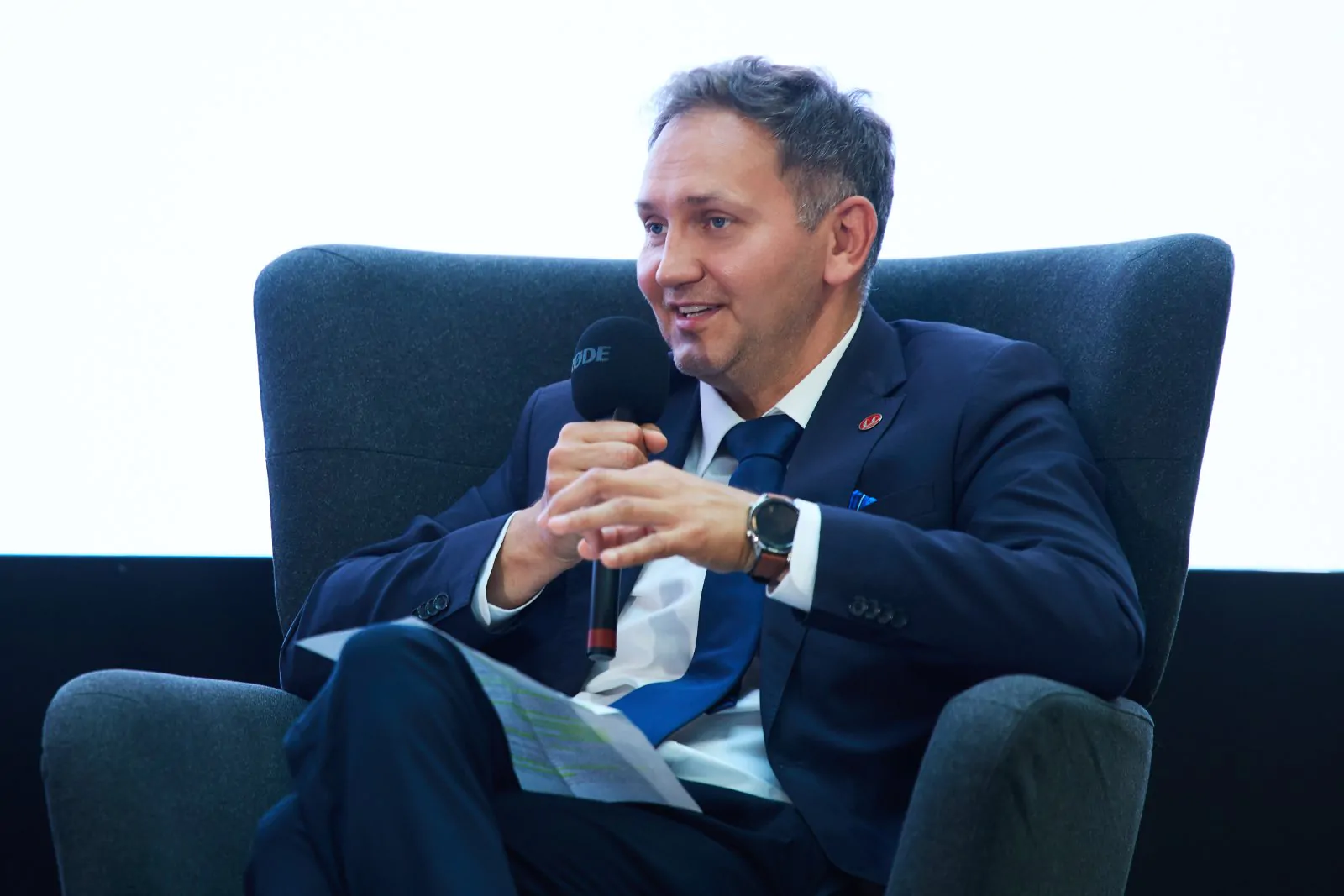
Capital, integration and the anatomy of scaling
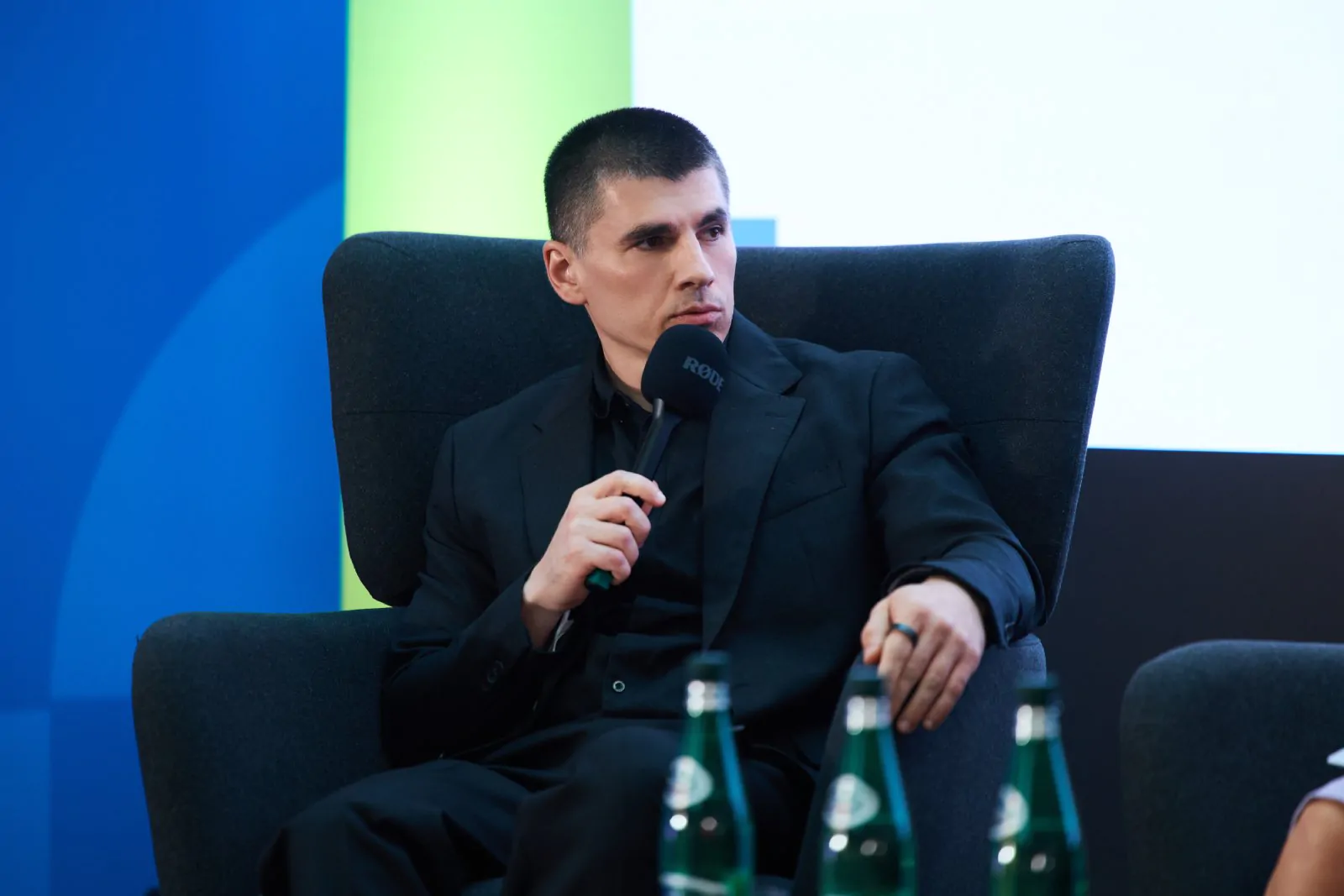
The first panel of the Ukraine Tech Day examined the growth of Ukraine’s innovation ecosystem, access to capital and global integration.
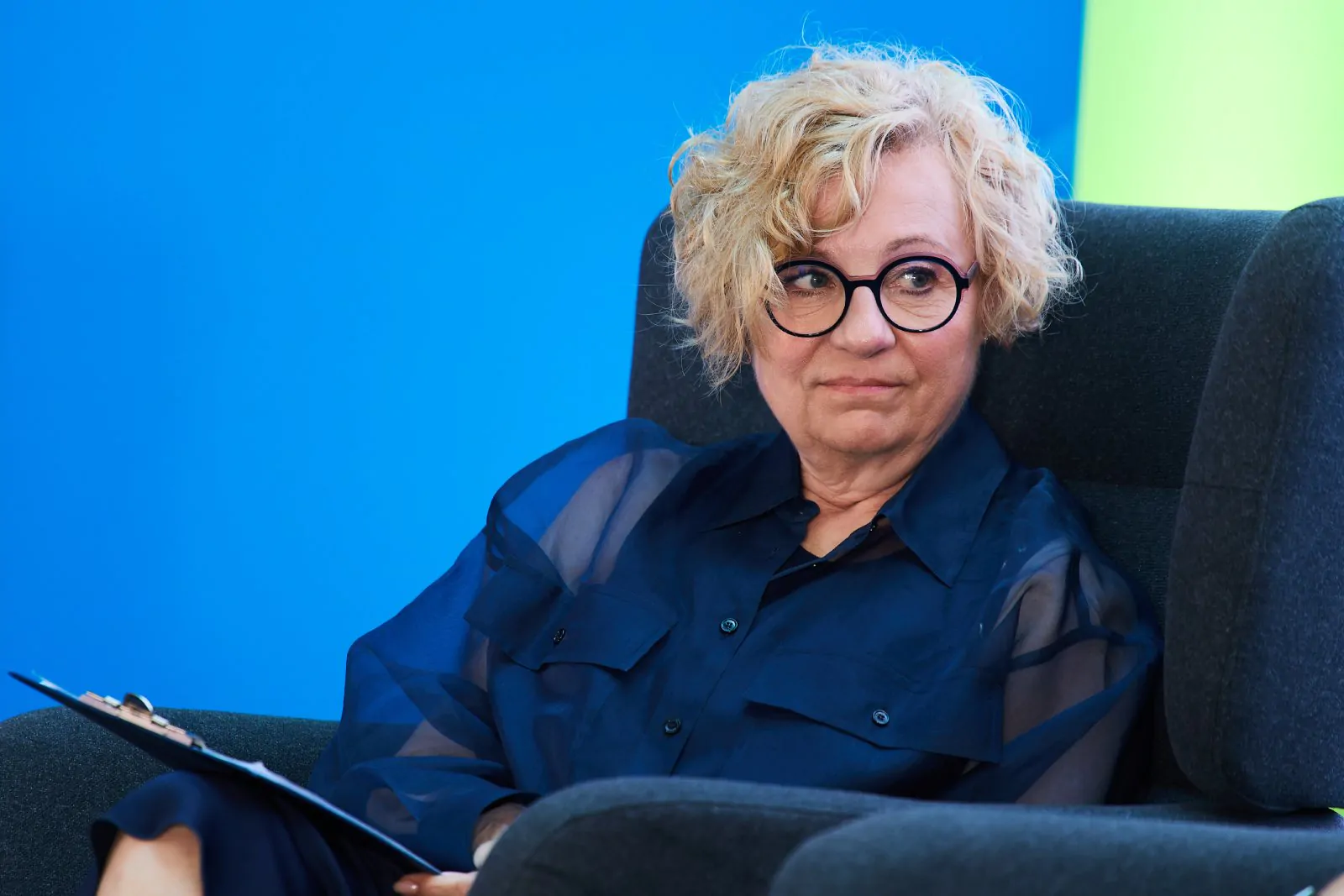
It featured Artem Borodatiuk, member of the Diia.City United Strategic Board and founder of FRACTAL; Sachá Michaud, our Strategic Board member and co-founder of Glovo; Oleksii Yermolenko, co-founder and partner at Flyer One Ventures; Hanna Shuvalova, our Strategic Board member and Principal at Horizon Capital; and Jolanta Jaworska, President of the Digital Lewiatan Association.
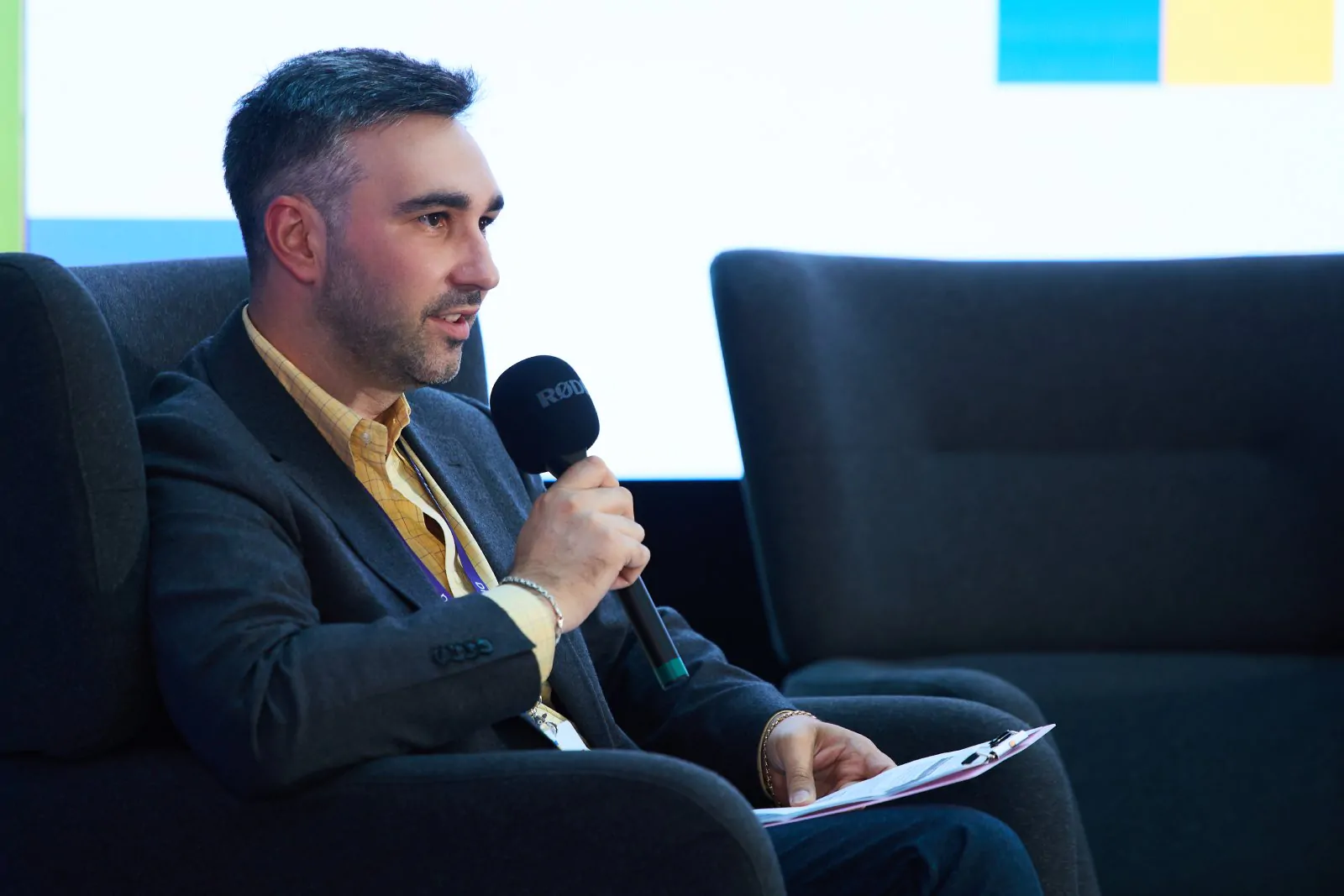
Anton Vashchuk, Director of Innovation and Entrepreneurship at UMAEF — a $285mn fund that has made more than 40 investments in Ukrainian tech since 2022 — moderated the panel.
Vashchuk set the terms precisely: Ukrainians lack neither ambition, talent nor entrepreneurial energy. What remains acutely scarce is capital, above all at the growth stages.
Borodatiuk described how that looks from the inside. His FRACTAL group is built on talent hungry for results and has grown, until now, without outside money. But the venture-builder model has a ceiling, and next year the company plans to seek institutional capital for the first time.
He was emphatic about Diia.City as one of the foundational instruments for Ukrainian tech:
This is the reason we can create new IT companies, and that matters enormously for Ukraine. I hope our EU accession strategy will not dismantle the Diia.City regime we have today.”
The combination of a liberal economic framework, a strong entrepreneurial environment and Ukrainian talent, in his view, gives the country the potential to become one of Europe’s leading technology economies.
Michaud drew attention to a different trap: international sales do not, in themselves, make a company international. To scale in the EU, founders need to build local teams, understand the regulatory context and accept that a “single European market” does not exist in practice. The co-founder of a global brand operating in 23 countries explained that each market has its own business culture, language, regulatory requirements and decision-making logic — and it is the command of these details that determines whether a company merely sells abroad or builds a durable international presence.
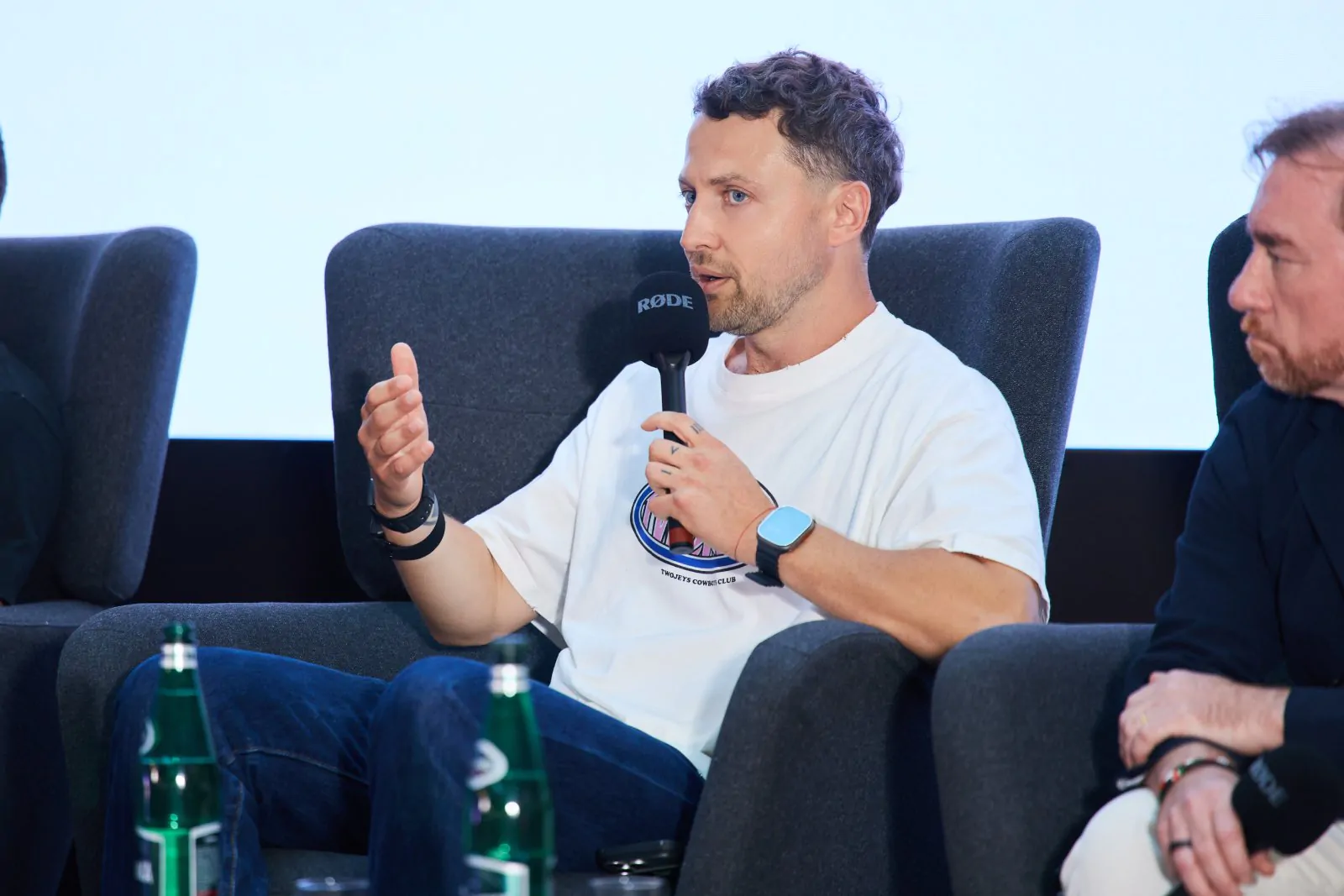
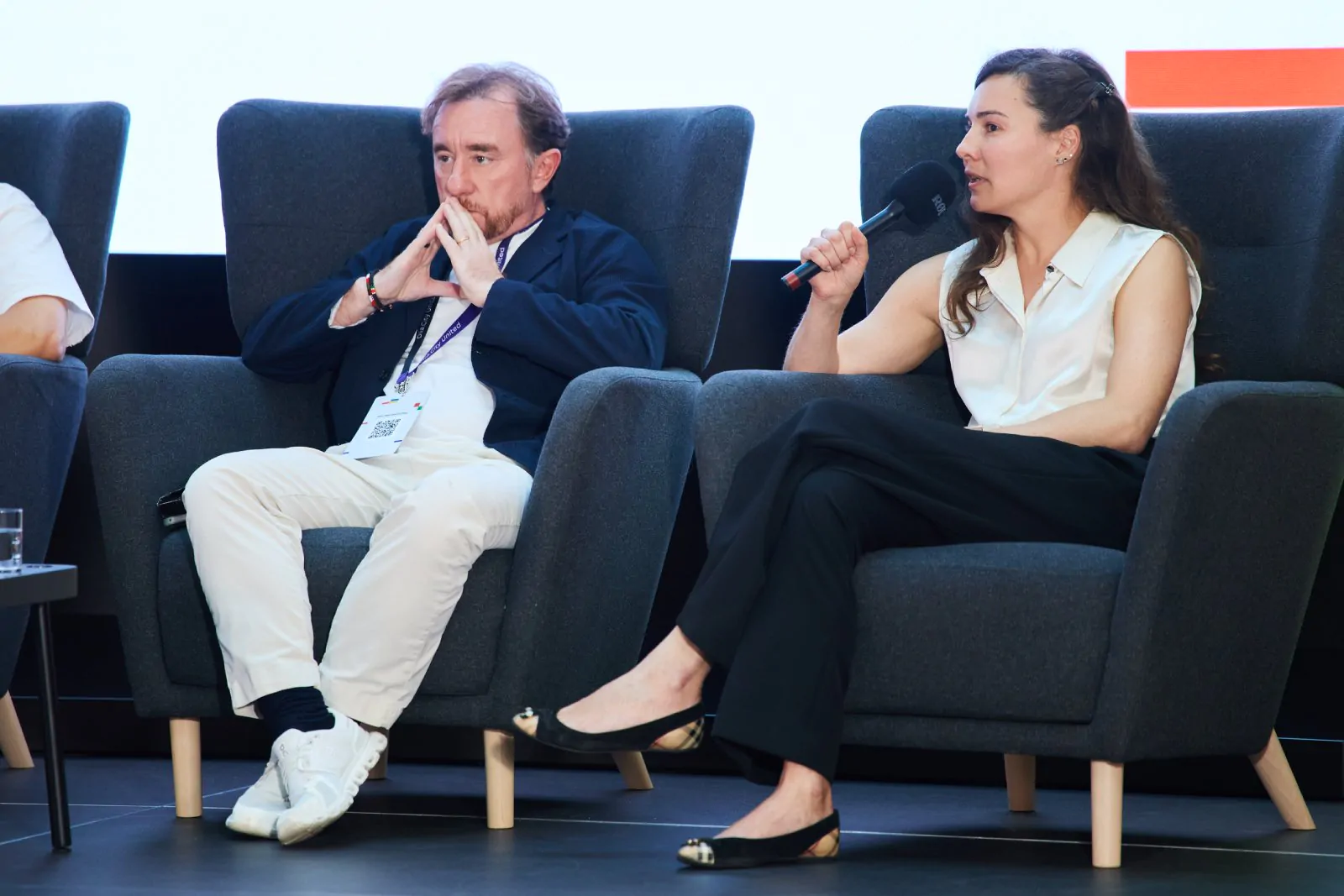
Investors, for their part, see momentum.
Over the past 18 months, Flyer One Ventures has backed seven new Ukrainian teams, and every deal included an international co-investor,
Yermolenko noted — an encouraging sign that global capital is gradually learning to work with Ukrainian risk.
For growth investors, Hanna Shuvalova added, what matters is not the label on the round but the quality of the business: revenue, growth rate, unit economics and the ability to sell internationally.
The panel’s shared conclusion: Ukraine’s ecosystem needs new exit cases. Exits build investor confidence, return capital to founders and set off the next cycle of reinvestment into new companies.
What comes next
Ukraine Tech Day confirmed that one question is settled: whether Ukraine can build competitive technology products is no longer up for debate.
The live agenda is different — how quickly Ukrainian companies gain access to capital, on what terms they integrate into EU markets, how international partnerships are structured, and whether the value created stays in Ukraine.
For Diia.City United, the answer is clear: Ukrainian tech should be a full participant in global economic decisions. That is why the Association builds platforms like Ukraine Tech Day, giving Ukrainian companies direct access to the investors, governments and international financial institutions that make them.
The task of the next stage is to convert the sector’s proven capacity into a durable role for Ukraine in the European and global technology ecosystem — and the Association will keep making the voice of Ukrainian tech heard wherever the next opportunities for business, investment and cooperation take shape.
Organizers: Diia.City United
Event partners: Ukraine-Moldova American Enterprise Fund, KSE Institute, Kyivstar, Digital Association Lewiatan, MITS Capital, Skyfall, TAF Industries, Aequo, Sine.engineering.
With the support of the Ministry of Digital Transformation of Ukraine, Ministry of Economy, Environment and Agriculture of Ukraine, Ministry of Digital Affairs in Poland.
Would you like access to exclusive events like this one? Join Diia.City United tech business association: fill in the membership form or write to us at members@diiacityunited.org.