At this year’s Ukraine Recovery Conference (URC 2026), Ukraine’s technology sector emerged as one of the key pillars of the country’s long-term recovery. Across the conference programme, Nataliia Mykolska, Executive Director of Diia.City United, focused on three strategic priorities shaping the future of the ecosystem: global expansion of Ukrainian tech companies, access to smart capital, and the growing role of defence technologies in rebuilding the economy.
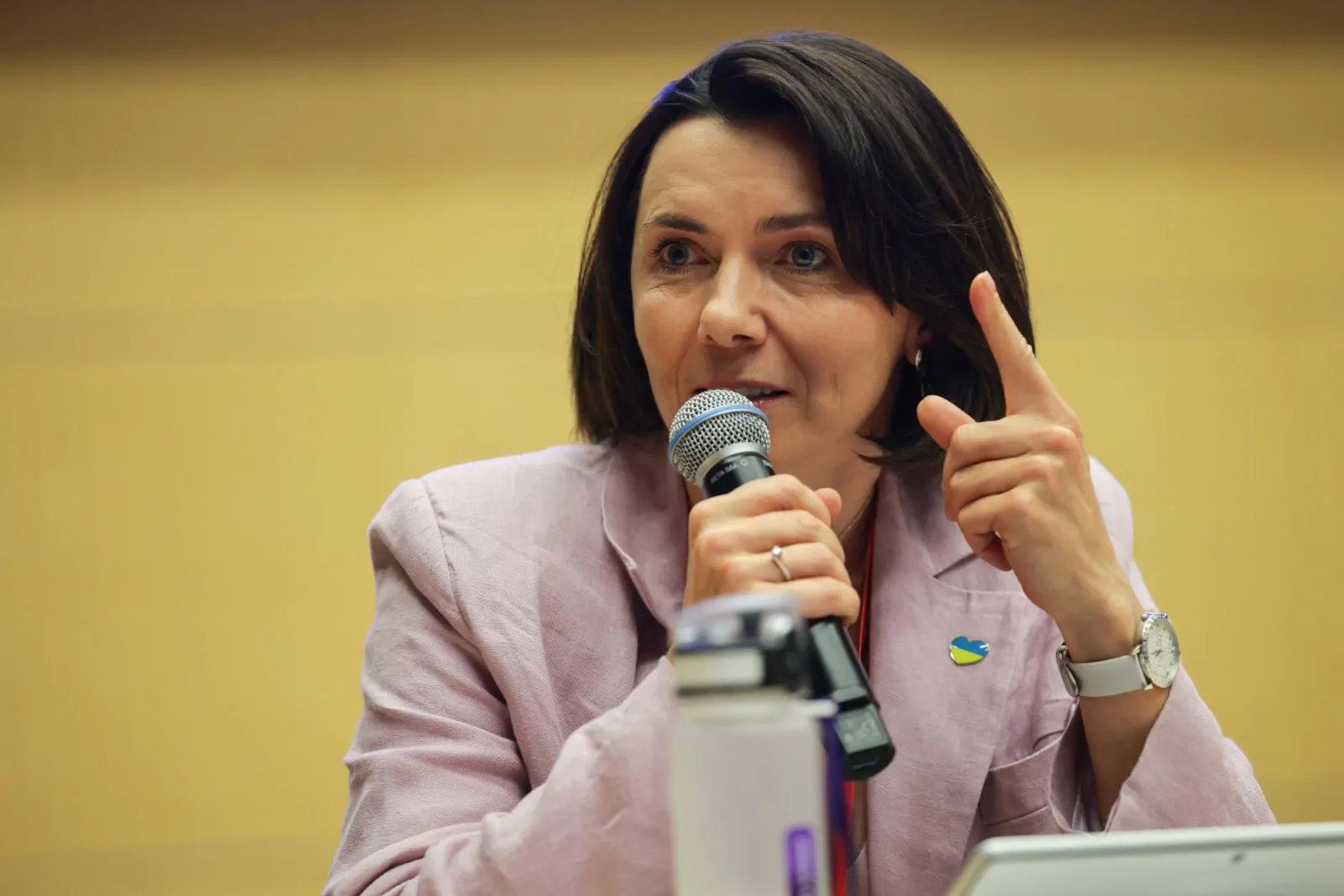
She was joined in the conference programme by Oleksandr Tsybort, Deputy Minister of Economy of Ukraine, and Artem Borodatiuk, Co-founder of FRACTAL and a member of Diia.City United‘s Strategic Board.
Going global is no longer optional
For Ukrainian tech companies, international expansion has evolved from a growth ambition into a business necessity. Even before the full-scale invasion, the domestic market offered limited opportunities for scale. Today, demographic shifts and the realities of war have made globalisation an essential strategy for sustainable growth.
As Nataliia Mykolska noted, Ukrainian founders combine exceptional resilience with an ambition to compete globally. That combination positions Ukraine as a natural launchpad for internationally scalable technology businesses.
Supporting companies as they grow from Ukraine into global markets remains one of Diia.City United’s core missions.
The challenge is not capital alone — it is smart capital
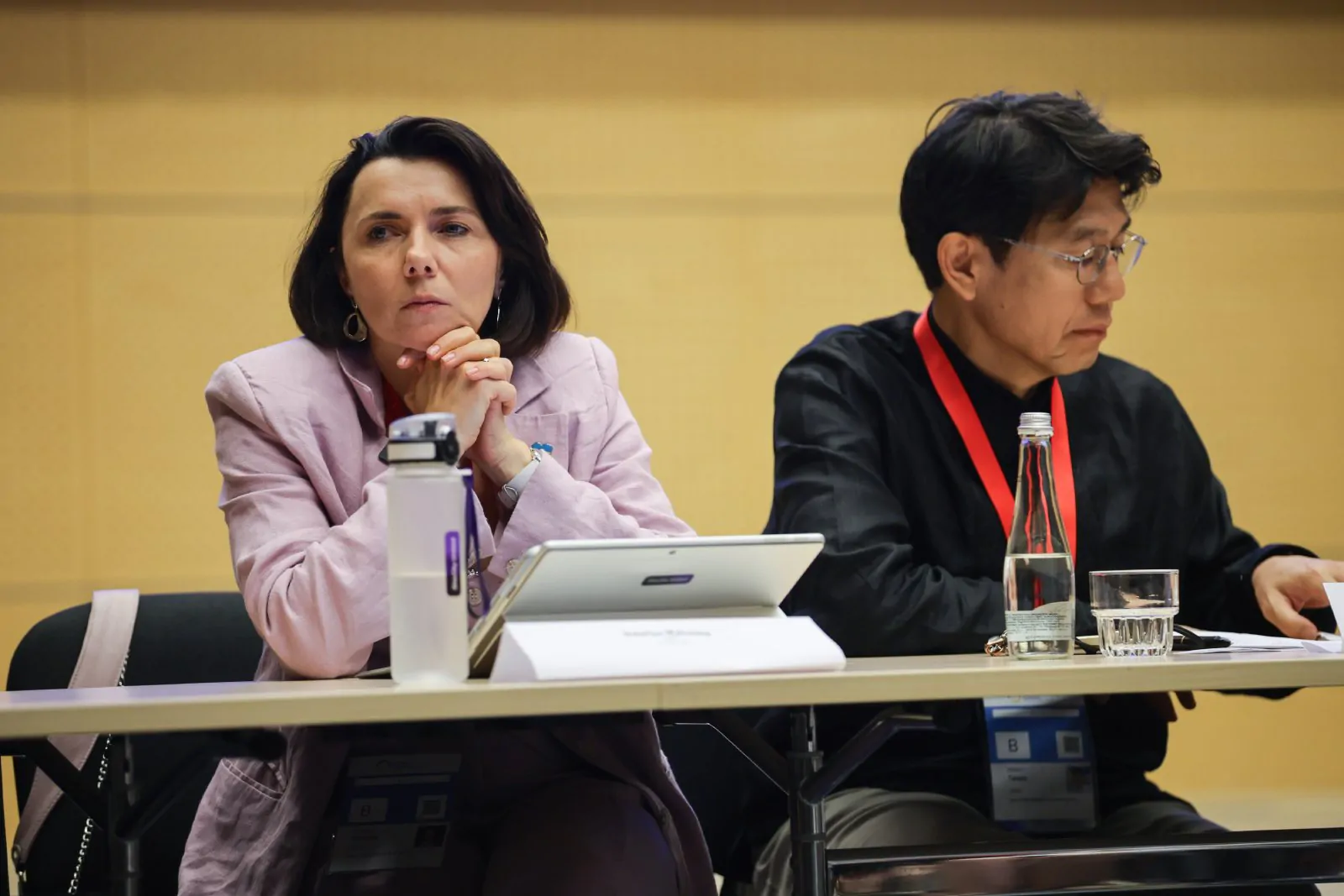
Taking a stage at workshop on capital mobilisation, Natalia Mykolska highlighted access to financing across different stages of startup development as one of the key challenges.
While Ukraine has developed in place a healthy pre-seed ecosystem, many companies face significant bottleneck at the Seed and Series A stages.
The problem isn’t simply a lack of funding — it’s a shortage of investors who bring more than capital: partners who offer strategic expertise, international networks, customer access, and market knowledge. For startups building global businesses from day one, that kind of support is often more valuable than the financing itself.
Unlocking private investment
During a dedicated workshop, Mykolska outlined how donors and international financial institutions can help unlock significantly more private investment into Ukraine’s technology sector.
With Ukrainian tax revenues primarily directed towards national defence, international funding can have the greatest impact by strengthening programmes that improve access to capital for innovative SMEs and startups.
She highlighted the IFC and EBRD investments into Flyer One Ventures as a successful example of this approach. By catalysing private investment rather than replacing it, such models help accelerate innovation, strengthen exports and create sustainable growth mechanisms for the ecosystem.
Making Ukrainian success stories visible
Speaking on the main URC stage, Mykolska reminded the audience that Ukraine is already home to at least 12 tech unicorns, many of which remain underrepresented in global conversations. Among them are companies operating in defence technologies, including the UK–Ukraine company U-Force, which she described as a ‘unicorn in defence’.
Visibility matters as much as investment. International platforms such as London Tech Week and major industry events play a crucial role in connecting Ukrainian companies with global customers, investors and strategic partners. Without that visibility, even outstanding success stories risk remaining largely invisible beyond the region.
Defence tech is reshaping the innovation landscape
Another key message focused on the transformation of defence technologies and the growing role of startups and SMEs in driving innovation.
Ukraine has demonstrated that breakthrough defence solutions no longer come exclusively from large corporations. Agile startups are capable of scaling at extraordinary speed under the most challenging conditions.
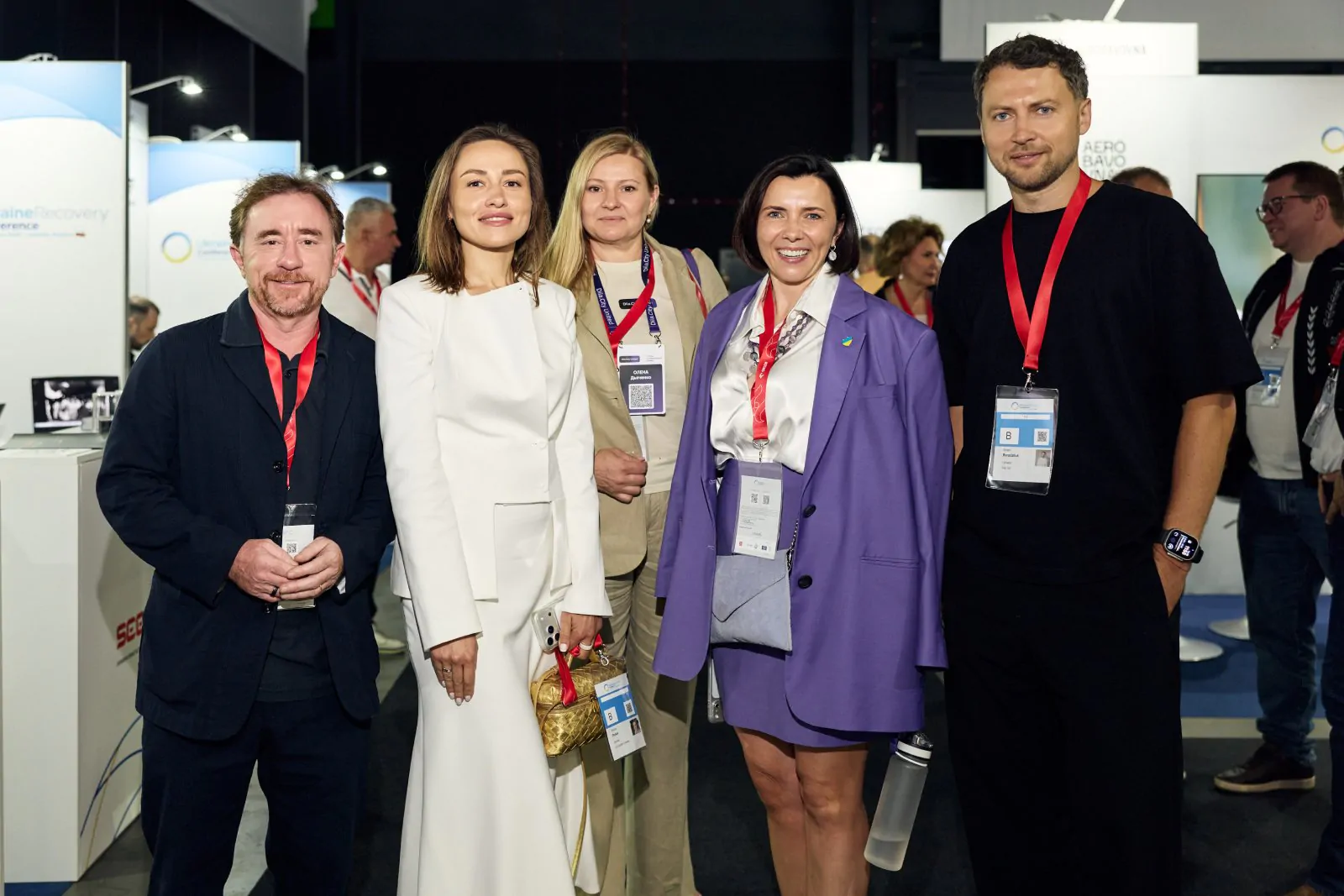
Mykolska pointed to Skyfall as a striking example, having grown from developing a single UAV into producing more than 200,000 drones per month. The broader lesson is clear: the distinction between civilian and defence technologies is becoming increasingly blurred, while dual-use innovation is emerging as a foundation for both economic recovery and long-term competitiveness.
Human capital remains Ukraine’s greatest advantage
Closing her interventions, Mykolska emphasised that people — not infrastructure, nor capital alone — will ultimately determine Ukraine’s recovery.
She called for greater support for entrepreneurship, stronger programmes for SMEs, and more international visibility for Ukrainian founders. She also highlighted the sharp decline in female representation at the Series A and Series B stages and among unicorn leadership teams.
Expanding women’s leadership in technology, she argued, is not simply a matter of diversity. It is a long-term competitiveness challenge for the entire ecosystem.
From aid recipient to partner
URC 2026 reinforced an important shift in how Ukraine’s technology sector is perceived internationally. Today, it is increasingly recognised as a strategic contributor to Europe’s future innovation, security and economic growth.


